

2SLGBTQIA+ Affirming Therapy in Tucson, AZ
What Does 2SLGBTQIA+ Mean? A Guide to the Acronym and Affirming Support
You already know who you are. You shouldn't have to explain it, defend it, or shrink it to fit inside someone else's comfort zone.
2SLGBTQIA+ is more than an acronym. It's an evolving declaration of community, visibility, and inclusion. Understanding what it stands for, why the language keeps changing, and what it actually means to receive affirming mental health support matters, whether you've been out for decades or you're still figuring things out.
Schedule a Free Consultation

Breaking Down the 2SLGBTQIA+ Acronym
Language matters. The words we use to describe ourselves carry history, politics, and power. Here's what each letter and symbol in 2SLGBTQIA+ represents:
- 2S: Two-Spirit
- A term rooted in Indigenous North American traditions, used by some Indigenous people to describe a person who holds both a masculine and a feminine spirit. Two-Spirit is an intertribal, pan-Indigenous concept. It's not interchangeable with non-Indigenous gender identities. Its placement at the beginning of the acronym is intentional: Indigenous identity is foundational, not appended.
- L: Lesbian
- Women and non-binary people who experience romantic or sexual attraction primarily toward women and other non-binary people.
- G: Gay
- Most commonly describes men attracted to men, though it's used broadly across gender identities.
- B: Bisexual
- People who experience attraction to more than one gender. This includes attraction to the same gender as well as different genders.
- T: Transgender
- People whose gender identity differs from the sex they were assigned at birth. Transgender is a broad term that includes non-binary, genderqueer, and gender non-conforming individuals.
- Q: Queer and/or Questioning
- Queer is used both as an umbrella term for the broader community and as a specific identity for folx who resist fixed labels. Questioning refers to folx who are still exploring their sexual orientation or gender identity. Both belong here.
- I: Intersex
- People born with physical sex characteristics (chromosomes, hormones, anatomy) that don't fit typical binary definitions of male or female. Intersex is a biological characteristic, not a sexual orientation or gender identity.
- A: Asexual / Aromantic / Agender
- Asexual individuals experience little or no sexual attraction. Aromantic individuals experience little or no romantic attraction. Agender people don't identify with any gender. The A represents this entire cluster of identities.
- + (Plus)
- The plus sign acknowledges the full spectrum of sexual orientations, gender identities, and expressions not explicitly named above, including pansexual, demisexual, genderfluid, non-binary, and many others. No acronym can capture everyone. The "+" makes sure no one gets erased.
What Is Two-Spirit, and Why Does It Come First?
Two-Spirit (often written as 2-Spirit or 2S) is a culturally specific concept belonging to Indigenous North American peoples. It's used across more than 150 Indigenous nations, though each has its own traditions, languages, and understandings of what gender plurality means within their culture.
Historically, many Indigenous cultures recognized and honored roles that European colonizers refused to acknowledge: people who held responsibilities bridging what colonial frameworks would categorize as masculine and feminine. Colonization actively suppressed these identities and communities.
The contemporary term "Two-Spirit" was coined at the Third Annual Intertribal Native American, First Nations, Gay and Lesbian American Conference in Winnipeg in 1990. It was chosen to honor these traditions while creating a pan-Indigenous term accessible across tribal nations.
The placement of 2S at the front of the acronym, rather than tacked on at the end, is a deliberate structural choice. It reflects an Indigenous-led advocacy position: Two-Spirit people and Indigenous communities were present and persecuted long before modern LGBTQ+ movements existed. Their visibility should never be a structural afterthought.
Important note: Two-Spirit is an Indigenous-specific identity. Non-Indigenous folx are asked not to self-identify as Two-Spirit. If you're exploring a gender identity that feels fluid, non-binary, or outside Western binary frameworks, there are many other affirming terms that may resonate, including genderqueer, non-binary, and genderfluid.
Why Did the Term Evolve from LGBTQ+ to 2SLGBTQIA+?
The language around sexual orientation and gender identity has never been static. And that's a good thing. It reflects the ongoing effort of communities to name their own experiences and make sure no one gets erased from the conversation.
The older term LGBTQ originated in the 1990s as an expansion of the earlier "LGB" formulation. Over the decades that followed, the community kept growing the acronym to explicitly include identities that had been overlooked: intersex people, whose presence had long been invisible in mainstream LGBTQ discourse; asexual, aromantic, and agender communities; and Questioning individuals still exploring who they are.
The result isn't just a longer abbreviation. It's a different political and relational statement about who belongs, who is centered, and whose history gets named first.
Common Variations and Why They Exist
You'll encounter several different formulations depending on region, organization, or context:
- LGBTQ+: Widely used, especially in U.S. contexts. The plus sign implicitly includes 2S, I, A, and other identities.
- LGBTQIA+: Explicitly names Intersex and Asexual communities.
- 2SLGBTQIA+: Used most formally in Canadian federal and provincial contexts. Increasingly adopted in healthcare, government, and affirming service settings.
- LGBTQIA2S+: An alternative ordering that places the 2S designation at the end.
- Queer: Used informally by many community members as a shorter, reclaimed umbrella term.
No single version is universally correct. The version someone uses often signals their context, cultural location, and relational stance toward the communities represented. We use 2SLGBTQIA+ at Liberation Counseling and Consulting because we believe in centering Indigenous identity and being as explicit as possible about who we're here for.
The Mental Health Experience of 2SLGBTQIA+ Folx
Some days you feel completely invisible. Other days you feel too visible, in all the wrong ways. You're exhausted from code-switching, from deciding who's safe to be yourself around, from carrying the weight of a world that still isn't sure it wants you in it.
That's not a personal failing. That's the predictable effect of navigating a world that hasn't always been safe, affirming, or just.
Minority stress is a well-documented phenomenon: the chronic stress produced by stigma, discrimination, identity concealment, and the internalization of negative social messages about who you are. Research consistently finds elevated rates of anxiety, depression, and trauma-related symptoms among 2SLGBTQIA+ people, not because of their identities, but because of the environments they're forced to navigate.
Some of the most common experiences our clients bring to therapy include:
You don't have to go through any of this alone.
You Deserve a Therapist Who Gets It
You shouldn't have to educate your therapist about your identity before you can start healing. At Liberation Counseling and Consulting, our teammates already understand. We're ready to show up for you.
Schedule a Free ConsultationWhat Is Affirming Therapy for 2SLGBTQIA+ Folx?
We're not going to sugarcoat this part: not every therapist who calls themselves "LGBTQ-friendly" actually knows how to show up for you. There's a difference between tolerance and affirmation, and it matters.
Affirming therapy starts from a clear premise. Your sexual orientation and gender identity are not problems to be treated or changed. They're core parts of who you are. The goal isn't adjustment. It isn't normalization. It's genuine wellbeing, self-understanding, and the freedom to live fully as yourself.
An affirming therapist doesn't treat your identity as the issue. They treat the minority stress, the family rejection, the societal stigma, and the systemic harm you navigate as the real clinical material. Your identity isn't the wound. The world's response to it often is.
Affirming therapy also means the therapist has done their own work. They don't require you to educate them on basic terminology. They don't treat your queerness or transness as a phase. And they keep learning as community language and understanding evolves, because the conversation doesn't stop.
At Liberation Counseling and Consulting, that's more than a clinical philosophy. It's why we exist. We're a feminist, anti-racist, anti-oppression collective, and our work with 2SLGBTQIA+ adults and teens is grounded in the belief that you don't have to leave any of your identities at the door.
Our Approach to 2SLGBTQIA+ Counseling
We offer in-person therapy at our Tucson locations and online therapy throughout Arizona for folx navigating:
Therapy is not a place to be fixed. It's a place to be known, and to grow from that place of being known.
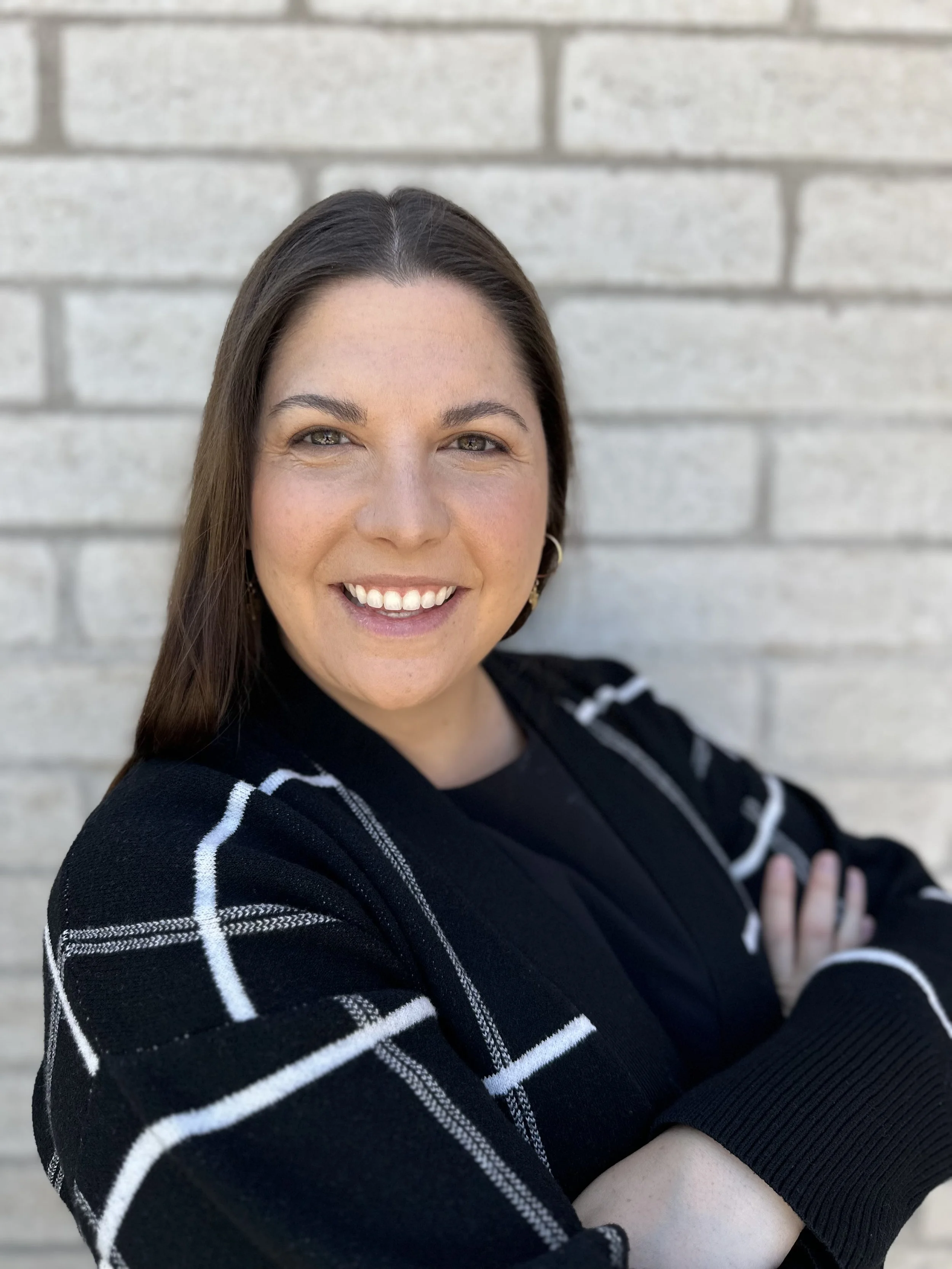
Amber Wychers (she/her)
LMSW
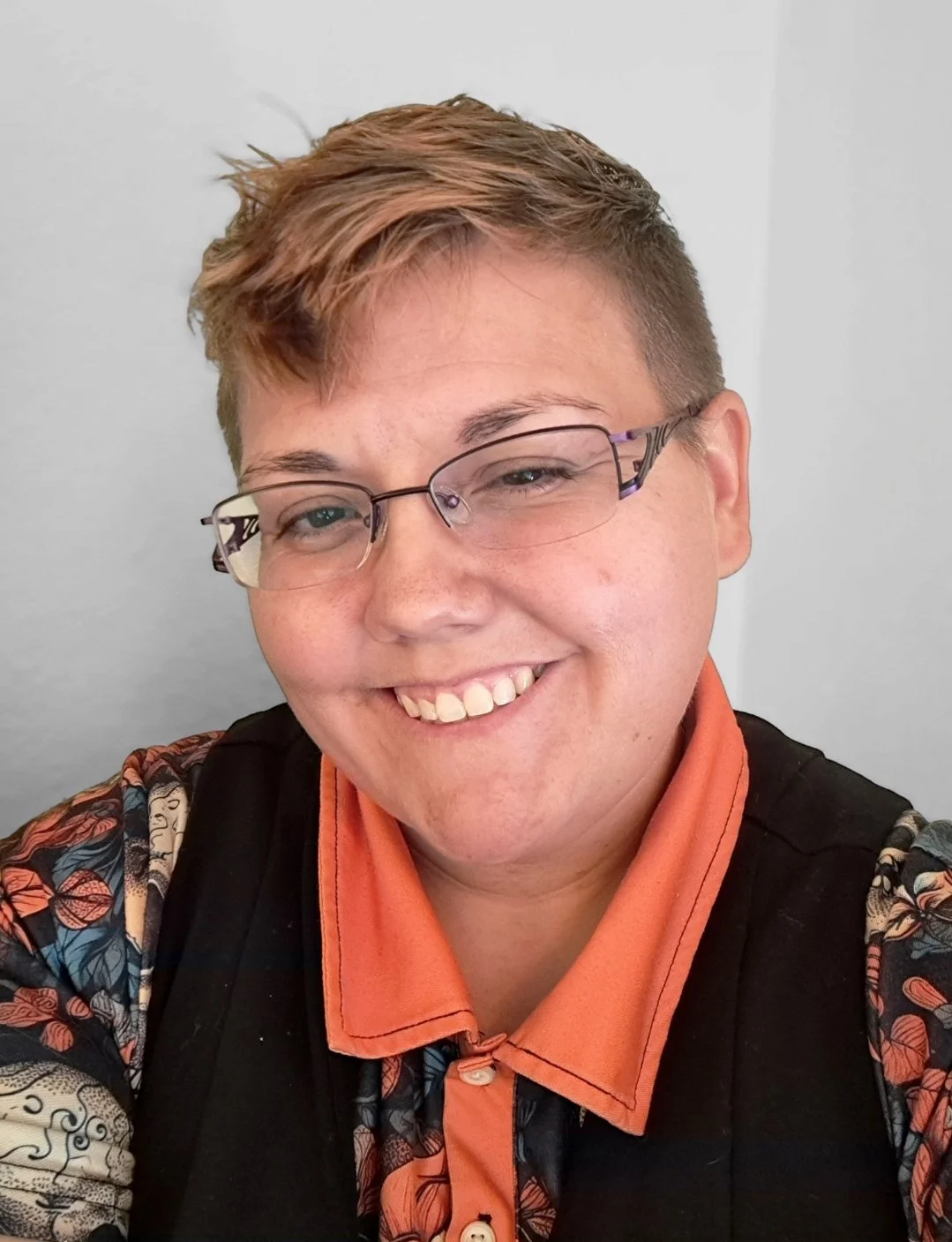
Indy Gloyd (they/them)
LAC
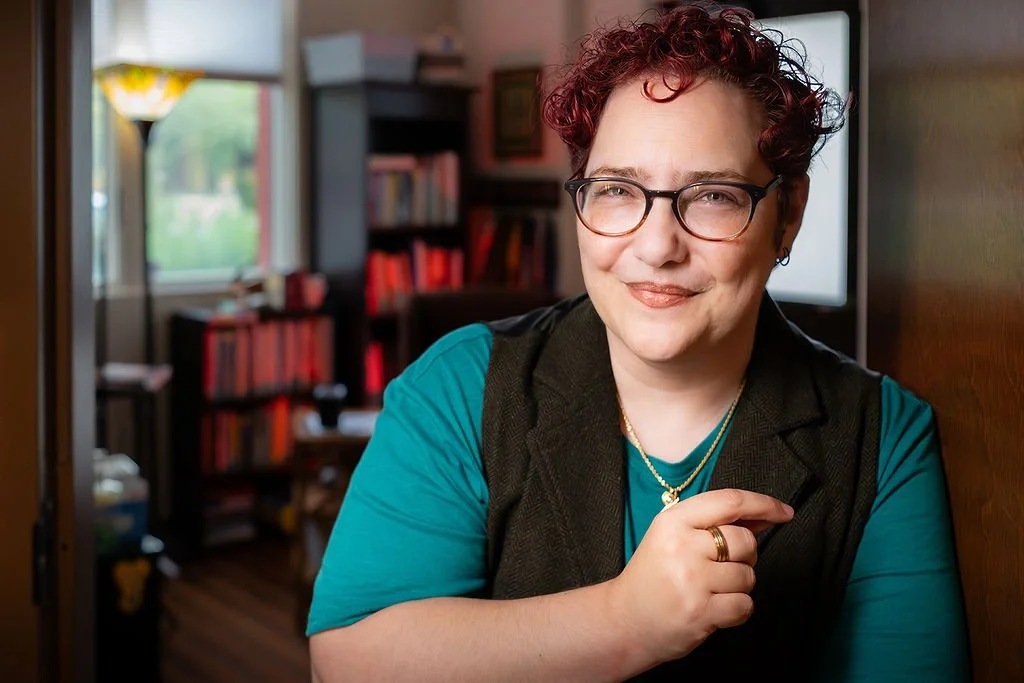
Atiq Shomar (they/them)
LCSW
Finding an Affirming Therapist: What to Look For
If you're searching for a therapist who truly understands the 2SLGBTQIA+ experience, a few markers separate genuine affirming practice from well-meaning but inadequate support:
They're transparent about their approach and willing to discuss how they've worked with clients from your community. You deserve to ask those questions before you commit.
A free consultation is often the best first step. Not just to learn about a therapist's approach, but to notice whether you feel safe being seen.
What to Expect When You Reach Out
Getting started with therapy at Liberation Counseling and Consulting is straightforward. We don't believe in making it complicated to ask for help.
Step one: Schedule a free consultation. This is a brief conversation where we get to know each other. You can ask us anything about our approach, our experience with 2SLGBTQIA+ clients, or what therapy with us actually looks like. No pressure, no commitment.
Step two: We'll match you with the right teammate. Every person on our team is affirming, but we each bring different specializations and styles. We'll help you find the therapist who fits.
Step three: Your sessions are yours. Regular sessions are 60 minutes. We focus on your individual needs, your pace, your goals. You don't have to leave any of your identities at the door.
We offer in-person therapy at both of our Tucson locations and online therapy throughout Arizona. Because we're a collective, each of our teammates sets their own rates. Check the Our Team page for details.
Schedule a Free ConsultationFrequently Asked Questions About 2SLGBTQIA+ Affirming Therapy
What does 2SLGBTQIA+ stand for?
2SLGBTQIA+ stands for Two-Spirit, Lesbian, Gay, Bisexual, Transgender, Queer or Questioning, Intersex, Asexual/Aromantic/Agender, and the "+" which acknowledges all identities not captured by those letters. The Two-Spirit designation comes first as an acknowledgment of Indigenous peoples' presence and cultural traditions that predate Western LGBTQ+ frameworks. The "+" isn't an afterthought. It's a promise that no one gets erased just because the acronym ran out of letters.
Why does Two-Spirit appear first in the acronym?
Two-Spirit (2S) is placed first as an act of recognition. Indigenous peoples have held Two-Spirit identities as part of their cultural, spiritual, and ceremonial traditions long before Western LGBTQ+ categories existed. The term was coined in 1990 by Indigenous activists who wanted a pan-Indigenous English-language term distinct from Western identity labels. Placing 2S first acknowledges that Indigenous experiences of gender and sexuality predate the Western frameworks that shape the rest of the acronym. It's not alphabetical. It's political, and it's intentional.
Is 2SLGBTQIA+ affirming therapy different from regular therapy?
Yes, and the difference matters. Affirming therapy doesn't just mean your therapist is "okay" with you being queer or trans. It means they actively validate your identity as healthy, whole, and worthy of celebration, not just tolerance. An affirming therapist doesn't treat your identity as the problem to be worked through. They treat the minority stress, family rejection, societal stigma, and systemic harm you navigate as the real clinical material. At Liberation Counseling and Consulting, that's the foundation of every session.
Do I need to identify as 2SLGBTQIA+ to access these services?
Not at all. We work with folx who are questioning their identity, exploring what these terms mean for them, or supporting a 2SLGBTQIA+ family member or partner. You don't need a settled label to benefit from affirming counseling. We meet you wherever you are, whatever that looks like at this moment in your life.
What mental health concerns do 2SLGBTQIA+ folx most commonly bring to therapy?
The concerns we see most often include minority stress, identity exploration, coming out at any life stage, family rejection or estrangement, relationship dynamics unique to queer and trans experiences, gender dysphoria, trauma related to past conversion attempts or religious harm, and the compounding effects of holding multiple marginalized identities at once. Every client's experience is different, and your therapy sessions will be shaped by what you actually need.
How do I know if a therapist is genuinely 2SLGBTQIA+ affirming?
Ask them. Directly. A genuinely affirming therapist has done their own work to understand 2SLGBTQIA+ experiences. They won't need you to educate them on basic terminology. They won't treat your identity as a symptom or a phase. And they'll keep learning as community language and understanding evolves. At Liberation Counseling and Consulting, we welcome those questions. Ask us anything before you book. If a therapist gets defensive when you ask how they work with queer and trans clients, that's your answer.
Booking and Logistics
Do you take my insurance?
The short answer is "maybe." Some of our teammates can take insurance, and others can't. Get in touch with us and we'll sort it out. If we can't take your plan, we can provide all the paperwork you need to submit for out-of-network reimbursement.
What are your rates?
Because we're a collective, each of our teammates sets their own rates. Check out the Our Team page for details, or reach out to us directly to ask about 2SLGBTQIA+ affirming therapy session pricing.
How does online therapy work?
It's really simple! Before your first session, your therapist sends you a link to a secure video site. When it's time, you click the link and you're in. No tech wizardry required.
When You're Ready
Let's Talk
Liberation Counseling and Consulting offers in-person therapy in Tucson and online therapy throughout Arizona for 2SLGBTQIA+ adults and teens. If you're ready to talk, or just curious about whether therapy might help, we'd love to hear from you.
Schedule a Free Consultation (520) 346-6232
About Liberation Counseling and Consulting
Therapy for Marginalized Folx
At Liberation Counseling and Consulting, therapy is built on a simple belief: you deserve to be seen, heard, and celebrated for who you really are. Based in Tucson, AZ, this anti-oppression counseling practice serves marginalized folx through individual, teen, 2SLGBTQIA+, and relationship counseling, along with EMDR therapy, all grounded in intersectionality and a deep commitment to social justice.
10501 E Seven Generations Way, Ste 121, Tucson, AZ 85747
1200 N. El Dorado Pl, Ste D420, Tucson, AZ 85715
(520) 346-6232 | hello@liberationcounseling.com
This content is intended for educational purposes and does not constitute medical or psychological advice. If you are in crisis, please contact the 988 Suicide and Crisis Lifeline by calling or texting 988.